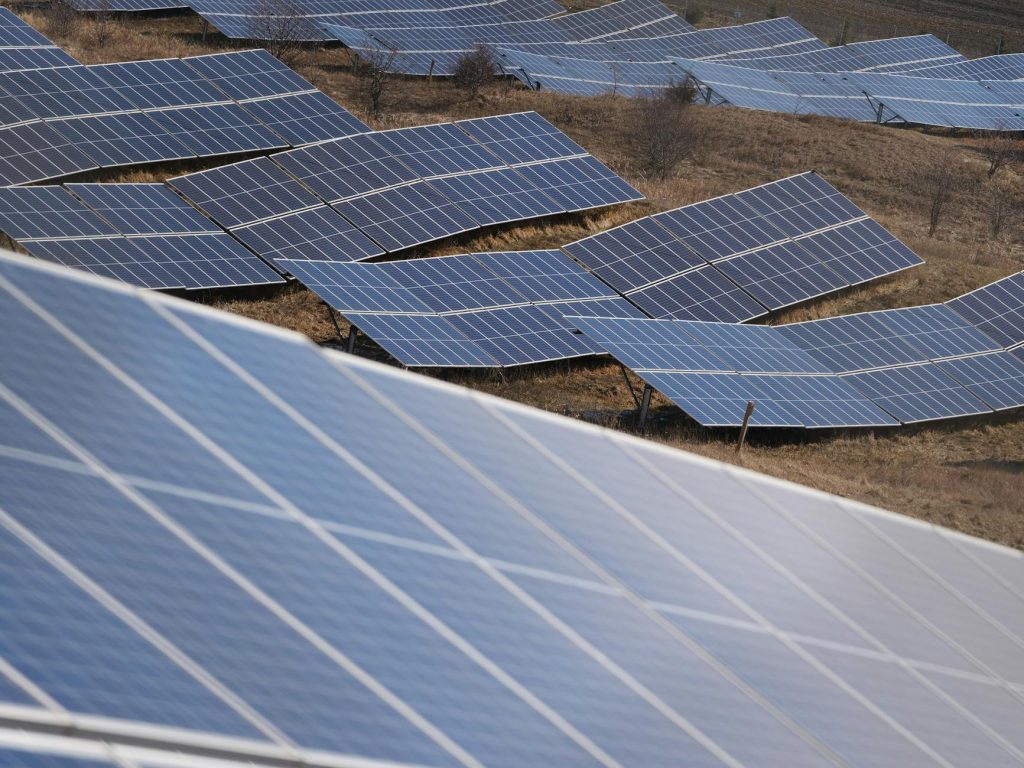
Solar photovoltaic cells represent the most significant shift in residential energy management since the widespread adoption of the electrical grid. For decades, homeowners relied exclusively on centralized power plants to meet their daily needs. However, the maturation of semiconductor technology now allows individuals to capture energy directly from the sun with high reliability. Photovoltaic systems convert sunlight into a flow of electrons, bypassing the mechanical complexities of traditional turbines or heat exchangers. This direct conversion makes the technology uniquely suited for the constraints of a suburban or urban rooftop. While other forms of renewable energy exist, they often require specific geographic features or large-scale infrastructure that individual households simply cannot accommodate. Consequently, understanding how these cells operate and why they outperform thermal alternatives is essential for any homeowner considering a transition to independent power generation.
How solar photovoltaic cells work under the hood
The operation of a solar panel relies on the movement of subatomic particles within a solid material. Specifically, these systems use silicon wafers treated with trace amounts of other elements to create a positive-negative junction. When photons from the sun strike the surface of the cell, they knock electrons loose from their atoms. Because of the internal electrical field created by the doped silicon, these free electrons flow in a specific direction. This movement constitutes a direct current of electricity. Unlike mechanical generators, there are no moving parts to wear down or lubricate. This solid-state nature of the technology ensures that the system can operate for decades with minimal maintenance requirements.
The role of the p-n junction in energy production
The part that actually matters is the p-n junction, which acts as a permanent internal barrier that forces electrons to travel through your home circuits rather than simply recombining with the silicon. If this barrier fails due to manufacturing defects or extreme thermal stress, the cell becomes a useless piece of glass. Furthermore, the efficiency of this process is heavily influenced by the spectrum of light hitting the panel. Most modern residential panels use monocrystalline silicon because its single-crystal structure offers a clearer path for electron flow, resulting in higher conversion rates compared to polycrystalline alternatives. Consequently, the quality of the crystal lattice determines how much power you can pull from a limited roof area.
Key takeaway: Photovoltaic cells use solid-state physics to convert light directly into electricity without the need for mechanical movement or intermediate heat conversion.
Evaluating solar photovoltaic cells against thermal alternatives
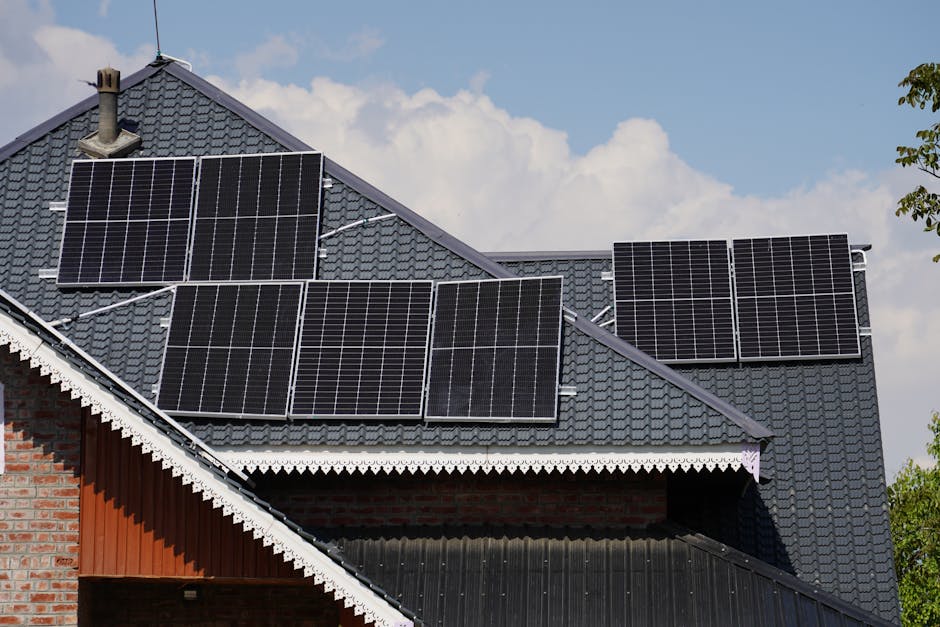
When you begin researching solar options, you will likely encounter solar thermal systems alongside photovoltaic ones. Solar thermal technology uses the sun to heat a fluid, which then transfers that heat to your home water supply or climate control system. While thermal systems can boast higher raw energy efficiency in terms of heat capture, they lack the versatility of electrical systems. Electricity generated by a panel can be used for any appliance in the house, whereas thermal energy is strictly limited to heating. Moreover, maintaining a plumbing system on a roof is significantly more complex than maintaining electrical wiring. In my experience, the long-term maintenance costs of pumps, valves, and glycol loops in thermal systems often negate their initial efficiency gains.
| Feature | Photovoltaic (PV) | Solar Thermal |
|---|---|---|
| Primary Output | Electricity (AC/DC) | Thermal Energy (Heat) |
| Versatility | Powers all appliances | Limited to hot water/heating |
| Maintenance | Very low (solid-state) | Moderate (pumps and fluids) |
| Grid Integration | High (Net metering) | None |
| Space Efficiency | Requires more roof area | Requires less roof area |
Practical efficiency in residential spaces
The space on your roof is finite, and you must decide which technology yields the highest utility. Although thermal collectors are efficient at heating water, a modern home uses electricity for everything from lighting to computing. According to the National Renewable Energy Laboratory (2023), residential PV system costs have dropped by over 60 percent since 2010, making them more financially accessible than ever before. This price drop has shifted the market toward electricity-first solutions. Even if you want to heat water, it is often more effective to use PV panels to power an electric heat pump water heater than to install a dedicated solar thermal array. This approach simplifies the installation and provides surplus electricity when the water is already hot.
Key takeaway: Photovoltaic systems provide a more versatile energy source that integrates easily with the existing electrical infrastructure of a modern home.
The impact on long term home costs
Investing in solar is as much a financial decision as it is a technical one. The primary draw of these systems is the reduction or elimination of a monthly utility bill. In addition, many regions offer net metering programs where the utility company buys back excess power generated during the day. This creates a scenario where your roof acts as a small-scale power plant. However, you must account for the initial capital expenditure and the eventual replacement of components. According to the Solar Energy Industries Association (2024), solar accounts for over 50 percent of all new electricity-generating capacity in the United States, largely driven by the declining cost of the panels themselves.
Measuring the return on investment
From experience, I have found that homeowners who focus solely on the “payback period” often ignore the value added to the property itself. A home with an owned solar system typically sells for more than a comparable home without one. That said, you must be careful with solar leases. A common mistake here is signing a long-term lease that makes the home harder to sell because the new buyer must qualify for the lease as well. Purchasing the equipment outright or using a specific solar loan is usually the better path for long-term equity. You should also consider the lifespan of your roof. If your shingles need replacement in five years, do not install panels today, as the cost to remove and reinstall them will destroy your return on investment.
Key takeaway: The financial benefit of solar comes from utility savings and property value increases, but these are only realized if you own the equipment and have a healthy roof.
Integration with modern smart grids
The way we use electricity is changing, and solar photovoltaic cells are at the center of this transformation. In a traditional setup, power flows in one direction from the plant to your house. In a modern smart home, power flows in multiple directions. You might generate power on your roof, store it in a battery like a Tesla Powerwall, and then sell it back to the grid during peak demand hours. This bidirectional flow requires sophisticated management tools. Specifically, you need to understand the difference between a string inverter and microinverters. A string inverter handles the power from all panels at once, while microinverters manage each panel individually.
Using microinverters for better control
The part that most guides miss is the impact of partial shading on a system. If you use a single string inverter and a tree shades just one panel, the output of the entire system can drop to the level of that shaded panel. In practice, I have observed that many residential installations suffer because the homeowner chooses a central string inverter to save money up front, only to lose significant production over time. Using microinverters from brands like Enphase allows each panel to operate independently. This ensures that a cloud or a chimney shadow only affects a small portion of your total output. Consequently, the granular control provided by microinverters makes your system more resilient and easier to monitor through smartphone apps.
Key takeaway: Modern solar systems rely on advanced inversion technology to manage power flow and mitigate the negative effects of environmental shading.
Conclusion
Transitioning to solar power is no longer a niche project for enthusiasts. It is a practical strategy for managing the rising costs of energy. By choosing photovoltaic technology, you gain a versatile energy source that powers everything from your home office to your kitchen appliances. The solid-state nature of these cells ensures decades of operation with very little manual intervention. Furthermore, the ability to store this energy in residential batteries or sell it back to the grid provides a level of energy security that traditional utility models cannot match. While the initial installation requires careful planning and a significant upfront investment, the long-term trajectory of sustainable energy suggests that decentralized production is the future. Your primary objective should be to select high-quality components, such as monocrystalline panels and microinverters, to maximize the yield of your roof. The single clear takeaway is that photovoltaic cells provide the best balance of versatility, durability, and financial return for the modern homeowner.
Cover image by: Iqbal farooz / Pexels