Maximizing solar panel efficiency requires a clear understanding of the physical and chemical differences between monocrystalline and polycrystalline silicon cells. When you plan a residential or commercial installation, you are essentially deciding how to harvest the most energy from a fixed footprint of roof or land. Consequently, the choice between these two dominant technologies dictates your long term return on investment and system longevity. Most buyers assume that more expensive panels are always better, but the reality depends heavily on your specific geographic location and available space. In my years of consulting on renewable energy hardware, I have seen many people overspend on premium modules when a larger array of standard panels would have yielded better financial results. This comparison looks past the marketing brochures to explain what actually happens when light hits these different types of silicon. You can explore more about technical specifications in our hardware category archive.
Quick verdict
Monocrystalline panels are the clear winner for users with limited roof space or those seeking the highest possible energy density per square foot. On the other hand, polycrystalline panels remain a viable, cost effective alternative for large scale ground mounts where space is not a constraint and initial capital is limited. Ultimately, if you want the longest warranty and the best performance in low light, choose monocrystalline.
Key takeaway: Monocrystalline panels suit high performance needs in tight spaces, while polycrystalline offers better value for large, open installations.
At a glance
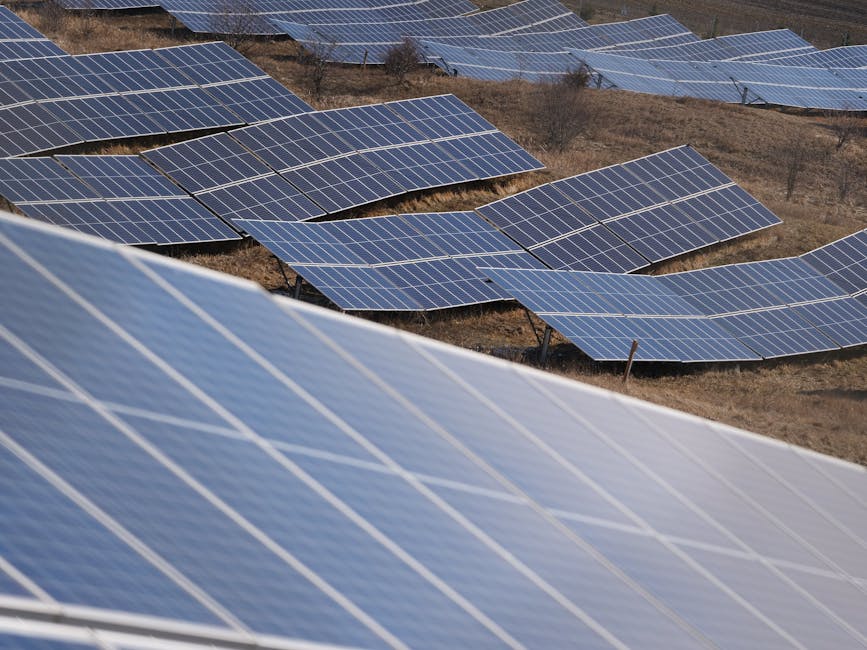
Understanding the core technical differences requires a side by side comparison of the physical properties that govern how these panels convert photons into usable electricity.
| Criteria | Monocrystalline | Polycrystalline |
|---|---|---|
| Efficiency Range | 19% to 23% | 15% to 17% |
| Cost per Watt | Higher | Lower |
| Temperature Tolerance | Excellent | Moderate |
| Physical Footprint | Small | Large |
| Longevity | 25 to 30 years | 20 to 25 years |
| Visual Profile | Uniform black | Speckled blue |
Key takeaway: Monocrystalline technology leads in efficiency and lifespan, but comes at a higher price point per individual module.
Monocrystalline panels for maximum performance
Monocrystalline solar cells represent the original and most refined form of silicon based photovoltaic technology. These cells are manufactured using the Czochralski process, where a single crystal of silicon is grown into a cylindrical ingot. Engineers then slice these ingots into thin wafers, which creates the characteristic rounded edges seen in older monocrystalline modules. Furthermore, the purity of the single crystal structure allows electrons more freedom to move, which is the primary reason why they offer superior efficiency. According to the National Renewable Energy Laboratory (2023), residential monocrystalline modules typically average between 19 percent and 22 percent efficiency, with some premium consumer models pushing toward 23 percent.
Historically, these panels have been favored in the tech industry because of their predictable performance across varying climates. Because the silicon is high purity, these panels generally have a better temperature coefficient. This means that as the panels get hot under the midday sun, their efficiency drops less significantly than their polycrystalline counterparts. In practice, I have found that homeowners often focus too much on the cell type and forget the importance of the frame and glass quality. Even the best monocrystalline cell will underperform if the module uses low quality anti-reflective coating or cheap backsheets that yellow over time.
However, the manufacturing process is significantly more energy intensive and wasteful than other methods. Because the ingots are cylindrical but the modules are rectangular, a large amount of high grade silicon is cut away and must be recycled. This waste is reflected in the retail price of the product. That said, the industry has largely shifted toward “half-cut” cell technology in monocrystalline modules. This involves using lasers to cut the cells in half, which reduces internal resistance and improves performance when the panel is partially shaded. Moreover, many modern monocrystalline panels now use N-type silicon, which is less susceptible to light induced degradation than the older P-type wafers.
From experience, the real bottleneck for monocrystalline panels is not just the price but the supply chain lead times for specific high efficiency modules. If you are using professional design software like Aurora Solar, you will notice that monocrystalline panels consistently produce more kilowatt hours over a 25 year period even when adjusted for their higher initial cost. They are the standard for any project where the goal is to offset 100 percent of a high electricity bill on a standard suburban roof. Furthermore, their uniform black appearance is often a requirement for homeowners associations that have strict rules regarding the visual impact of solar installations.
Key takeaway: Monocrystalline panels provide the highest energy density and heat tolerance, making them the industry standard for residential rooftops.
Polycrystalline panels for budget conscious projects
Polycrystalline panels, often called multicrystalline, are made by melting raw silicon and pouring it into a square mold. As the silicon cools, it forms many individual crystals rather than one continuous structure. This results in the characteristic blue, “shattered glass” look that was very common in the early 2010s. Consequently, the boundaries between the crystals create resistance that slows down electron flow, leading to lower overall efficiency. According to Fraunhofer ISE (2023), the global market share of monocrystalline technology has surged to over 95 percent of all new silicon based PV production, leaving polycrystalline as a niche product for specific low cost applications.
In addition, the lower purity of the silicon means these panels generally require more surface area to produce the same amount of power. If a monocrystalline system requires 20 panels to power a house, a polycrystalline system might require 24 or 25 panels to reach the same output. This increases the cost of the mounting hardware, the labor for installation, and the amount of wiring required. Therefore, even if the panels themselves are cheaper, the total “balance of system” costs can sometimes cancel out the initial savings. What most guides miss is that polycrystalline panels are often perfectly adequate for off grid applications like charging boat batteries or powering remote sensors where space is plentiful and the power requirements are modest.
Practically speaking, the part that actually matters is the temperature coefficient. Many people ignore that polycrystalline panels often degrade faster in extreme desert heat compared to high end N-type mono panels. A common mistake here is assuming that blue panels are just “old” technology. While they are an older manufacturing method, they are also less complex to produce, which makes them less vulnerable to certain supply chain shocks that affect ultra pure silicon production. However, you should be wary of the warranty terms on cheaper polycrystalline modules. Many manufacturers have phased out these lines, which might make it difficult to find a matching replacement if a single panel fails ten years from now.
On the other hand, for a large scale agricultural project where land is cheap and the goal is a five year payback period, polycrystalline can still make sense. They use nearly 100 percent of the silicon material during manufacturing because they are cast into squares, leading to less waste. In my experience, these panels are best suited for DIY enthusiasts who are building small arrays for sheds or workshops. Using tools like a standard multimeter and a basic charge controller, you can build a reliable polycrystalline system for a fraction of the cost of a professional residential install. Just ensure you check for micro cracks during installation, as the multi crystal structure can sometimes be more brittle under physical stress.
Key takeaway: Polycrystalline panels offer a lower entry price and less manufacturing waste, though they require more space and have lower heat resistance.
Which one should you pick
Choosing between these technologies depends on your specific site constraints and financial goals. There is no universal best option, but there is usually a best option for your specific scenario. Here are three common situations I encounter in the field.
In the first scenario, consider a residential roof with limited south facing space and high shade from nearby trees. In this case, you should choose high efficiency monocrystalline panels. Because you have a limited number of “prime” spots for panels, you need each square inch to work as hard as possible. Pairing these panels with power optimizers or microinverters from companies like Enphase will help mitigate the shading issues while taking advantage of the high silicon purity. Therefore, the higher upfront cost is justified by the significantly higher energy yield over the life of the system.
In the second scenario, imagine a rural property where you intend to build a large ground mounted array to power a farm or a workshop. If you have an acre of unused land, the efficiency per square foot becomes less important than the cost per kilowatt hour. Polycrystalline panels, if you can still source them from a reputable tier one manufacturer, could save you thousands of dollars in equipment costs. Since the panels are on the ground, the extra weight and size are easier to manage than they would be on a steep roof. Consequently, your return on investment might actually be faster despite the lower efficiency ratings.
In the third scenario, aesthetics and property value are the primary drivers. If you are installing solar on a modern home with a black roof, monocrystalline “all-black” modules are the only logical choice. These panels use a black backsheet and a black frame to hide the silver busbars and the blue tint of the silicon. While the black backsheet can slightly increase the operating temperature of the cells, the visual integration is far superior. Historically, polycrystalline panels have been difficult to sell in high end real estate markets because their blue, speckled appearance is considered dated and industrial. Choosing the sleeker monocrystalline option protects the resale value of your home.
Key takeaway: Select monocrystalline for tight roofs and aesthetics, but consider polycrystalline for large ground mounts where space is free.
Conclusion
The gap between monocrystalline and polycrystalline technology has widened in recent years as manufacturing innovations have favored the single crystal approach. While polycrystalline was once the king of the value market, the falling cost of monocrystalline wafers has made it the default choice for almost every professional installer today. When you evaluate solar panel efficiency, you are not just looking at a percentage on a spec sheet, you are looking at the resilience of the system against heat, time, and environmental stress. High purity silicon simply performs more consistently under the harsh conditions found on a typical roof. Ultimately, the hardware you choose today will be with you for two or three decades. In my experience, investing in the higher efficiency of monocrystalline panels provides a level of “future proofing” that polycrystalline simply cannot match. For more insights into optimizing your technology stack, visit our sustainability category for the latest updates.
Cover image by: Bl∡ke / Pexels