Finding a reliable weekly meal planner powered by artificial intelligence can transform your kitchen workflow and reduce the mental load of grocery shopping. Many people struggle with the constant cycle of deciding what to cook every single night. By leveraging machine learning models, you can generate personalized menus that account for your dietary restrictions, budget, and flavor preferences. Furthermore, these digital assistants help you track inventory to minimize food waste effectively. According to a 2023 study by ReFED, households that plan their meals systematically reduce food waste by nearly 25 percent annually. Using these platforms allows you to reclaim your evenings while ensuring you eat balanced, nutritious food. Therefore, exploring these automated solutions is a smart move for anyone looking to optimize their home management. In this guide, we examine five free platforms that offer robust automation features for your domestic routine.
Choosing the right weekly meal planner
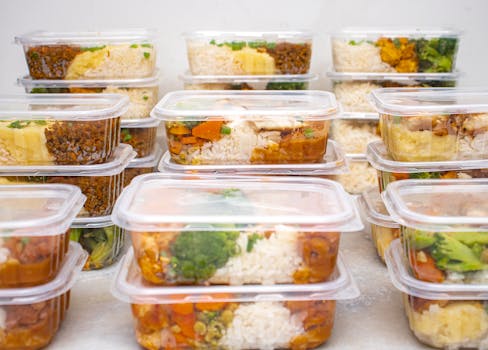
Selecting the best tool depends on your specific needs, such as whether you prioritize macro-tracking or simple recipe variety. Most platforms function by ingesting your profile data, including allergies and calorie goals, before outputting a structured menu. Consequently, these systems create a consistent rhythm that eliminates the need for manual scheduling each Sunday. A common mistake here is neglecting to set your pantry items during the initial setup phase. From experience, if you do not input your current stock, the tool will recommend recipes requiring ingredients you already possess, which defeats the purpose of efficiency. Furthermore, keep in mind that these tools are aids, not absolute authorities. You should always review generated lists for potential ingredient conflicts or nutritional gaps. This approach ensures your system remains helpful rather than restrictive.
The technical workflow of meal generation
To understand how these tools function, consider the underlying logic of prompt engineering. You are essentially providing a set of constraints to a Large Language Model (LLM), which is a system trained to predict text patterns. For example, if you wanted to build a simple manual logic for a meal generator in Python, you would structure your data like this:
const meals = ['Salmon', 'Chicken Stir Fry', 'Lentil Soup'];
const days = ['Monday', 'Tuesday', 'Wednesday'];
const plan = days.map((day, index) => `${day}: ${meals[index]}`);
console.log(plan);
In addition, advanced tools connect this logic to grocery APIs for automated shopping lists. Key takeaway: Always verify your generated plan against your current pantry stock to ensure maximum utility.
1. Mealime for automated grocery integration
Mealime stands out because it focuses specifically on the intersection of AI tools and actual ingredient shopping. When you select your preferences, the app generates a shopping list that aggregates items by aisle. As a result, you save significant time navigating the store. Furthermore, the free version provides access to thousands of high-quality recipes. Many users appreciate that the interface does not feel bloated. If you value efficiency over custom complex macro-tracking, this platform is an excellent starting point.
How to set up your profile
- Download the app and select your diet type, such as vegan or low carb.
- Exclude specific ingredients you dislike to filter out irrelevant suggestions.
- Select your preferred portion sizes to ensure you have enough leftovers.
- Tap the generate button to view your proposed schedule for the week.
2. PlateJoy for personalized nutrition
PlateJoy utilizes a sophisticated algorithm to create a weekly meal planner based on your unique metabolic profile. While some features require a subscription, the basic matching engine remains incredibly useful for beginners. The tool asks about your activity level and health goals before suggesting recipes. Moreover, it adapts to your schedule, meaning you can request quick 15-minute meals for busy weekdays. According to recent data from the National Institutes of Health (2022), individuals who utilize structured planning tools show a higher adherence to healthy eating patterns over a six-month period. What most guides miss is that you can export these lists into various formats for easy printing.
Comparison of features
| Feature | Mealime | PlateJoy |
|---|---|---|
| Grocery List | Excellent | Good |
| Macro Tracking | Basic | Advanced |
| Customizability | High | Medium |
Key takeaway: Choose the platform that aligns with your specific health goals rather than the one with the most features.
3. Eat This Much for macro control
If your primary objective is tracking specific protein, fat, and carb intake, Eat This Much is the industry standard. It functions as an automated productivity enhancer for gym-goers and athletes. You simply input your calorie target, and the app builds the entire day for you. Furthermore, you can regenerate individual meals if you dislike a specific recommendation. This level of granularity prevents the frustration of being forced to eat foods you do not enjoy. However, remember that AI suggestions can sometimes result in repetitive flavor profiles if you do not diversify your input criteria occasionally.
Using the API for custom planning
For those comfortable with basic scripting, you can pull data from similar open-source recipe databases to build your own dashboard. Here is a simple example of how one might format a JSON object for a meal plan entry:
const dailyPlan = {
  date: "2023-10-25",
  breakfast: "Oatmeal with berries",
  lunch: "Grilled chicken salad",
  dinner: "Baked salmon with asparagus"
};
console.log(dailyPlan.dinner);
In addition, using such data structures allows for integration with calendar apps for better time management. Key takeaway: Use automated tracking tools to remove the mental friction of calculating nutritional macros manually.
4. ChatGPT for custom meal planning
Using a general-purpose LLM like ChatGPT provides the most flexible weekly meal planner experience currently available. Instead of relying on a pre-built app interface, you communicate your needs directly to the model. For instance, you can ask for a Mediterranean-style menu that costs under $75 for a family of four. Consequently, the AI will provide a meal list, a prep guide, and even a shopping list. This method is superior for people with very specific or unusual dietary needs. Nevertheless, always double-check the quantities, as LLMs occasionally struggle with exact unit conversions. Experience dictates that you should define the output format, such as a markdown table, for better readability.
5. Paprika for recipe organization
While Paprika is primarily a recipe manager, its automation features make it a powerful weekly meal planner. It allows you to import recipes from any website, stripping away unnecessary blog filler and keeping only the ingredients and instructions. Afterward, you can add these to your calendar view with a single click. Furthermore, it syncs across all your devices, which is helpful if you cook in different locations. Although it is a paid app, it offers a limited free trial that allows you to test its robust organizational power. If you already have a collection of favorite recipes, this tool is superior to generic AI generators because it respects your existing preferences.
In conclusion, automating your food preparation does not have to be complicated or expensive. By choosing the right weekly meal planner, you can stop the endless scrolling through recipe sites and start cooking with intent. Whether you prefer the specialized focus of Mealime or the raw power of ChatGPT, the goal is always to reduce friction. Furthermore, these tools allow you to reclaim hours of your life that were previously spent in decision paralysis. Start by picking one tool from this list and inputting your preferences for just one week. Observe how your grocery spending changes and how much more organized your kitchen feels. By taking this small step today, you are investing in a more efficient and healthier future for your household. Log into your chosen platform this evening and generate your very first automated menu to get started.
Cover image by: IARA MELO / Pexels