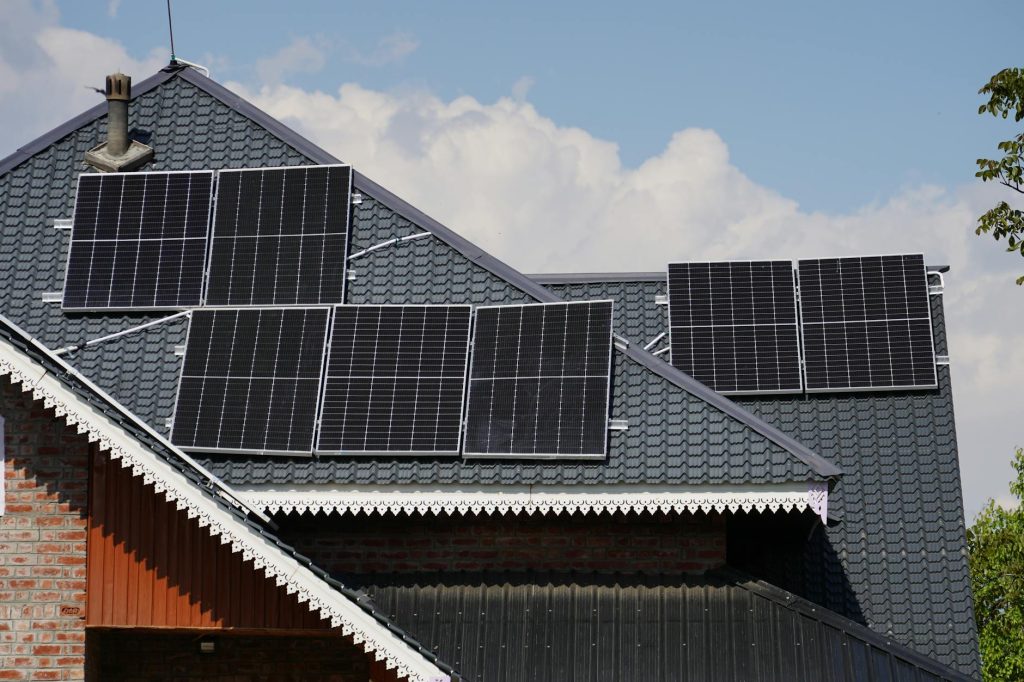
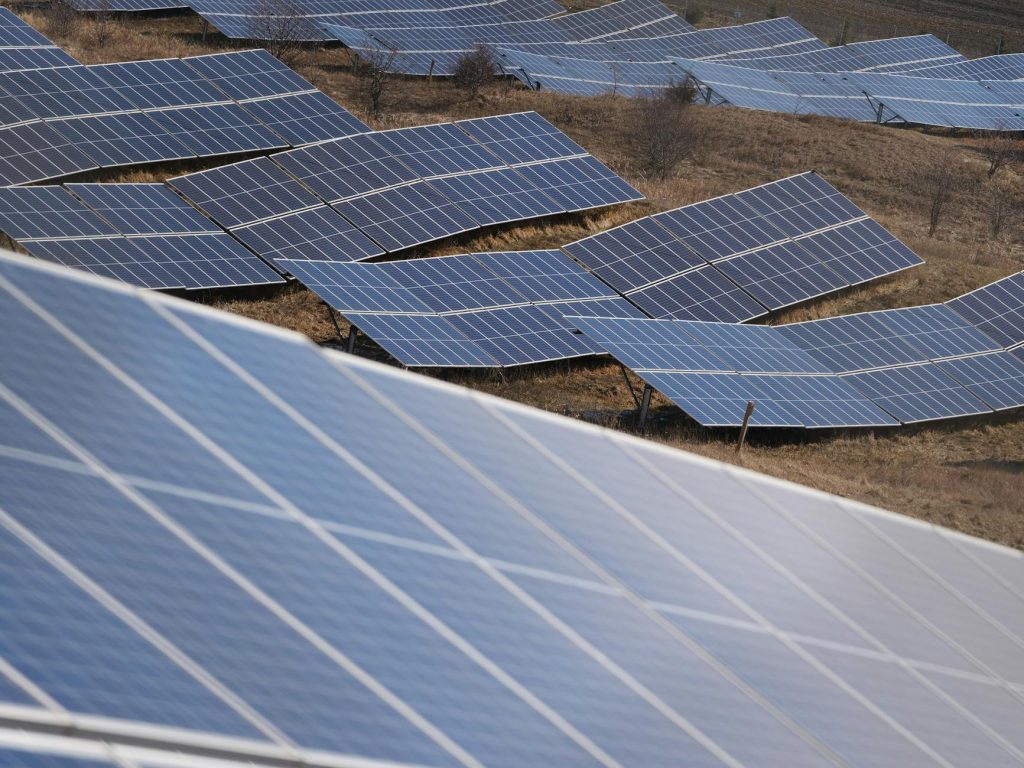
Understanding the standard solar installation cost is the first step toward energy independence in 2024. While prices have fluctuated due to supply chain changes and new trade policies, the market has settled into a predictable range for most homeowners. You can expect to pay between $15,000 and $25,000 for a typical residential system before any tax credits or local rebates are applied. This figure represents more than just the panels on your roof because it covers engineering, permitting, and the specialized labor required for a safe electrical integration. This guide breaks down the specific factors that influence your final quote, from hardware quality to the complexity of your electrical panel. By the end of this analysis, you will understand exactly where your money goes and how to spot a fair bid in a crowded market. We will also look at how federal incentives significantly lower the barrier to entry for the average household.
The components of your hardware bill
Hardware accounts for roughly 25 to 30 percent of your total expenditure. In 2024, the focus has shifted from simply finding the cheapest panels to selecting equipment with the highest power density. Monocrystalline silicon panels remain the industry standard because they offer the best balance of efficiency and footprint. Furthermore, the type of inverter you choose, whether it is a central string inverter or individual microinverters, will significantly impact the price. Microinverters from brands like Enphase generally cost more upfront, but they allow each panel to operate independently, which is vital if your roof experiences partial shading.
In addition to the panels and inverters, you must account for the racking system and the balance of system components. Racking is the metal framework that secures panels to your roof, and its cost can vary depending on whether you have a standard asphalt shingle roof or a more complex tile or metal surface. Balance of system components include the wiring, conduit, and disconnect switches that tie everything together. These parts might seem minor, but they ensure your system meets the National Electrical Code requirements for safety and performance.
Monocrystalline vs polycrystalline panels
While polycrystalline panels were popular a decade ago due to their lower price point, they have largely disappeared from the residential market. Monocrystalline panels now dominate because they produce more energy in less space, which is critical for smaller residential roofs. According to the Solar Energy Industries Association (2024), the average residential solar system costs approximately $3.30 per watt before incentives, and most of that value is derived from these high efficiency monocrystalline modules. Choosing higher tier hardware often leads to better long term performance and stronger manufacturer warranties.
Key takeaway: Hardware costs are driven by panel efficiency and inverter technology rather than just the number of panels installed.
The labor and permitting gap
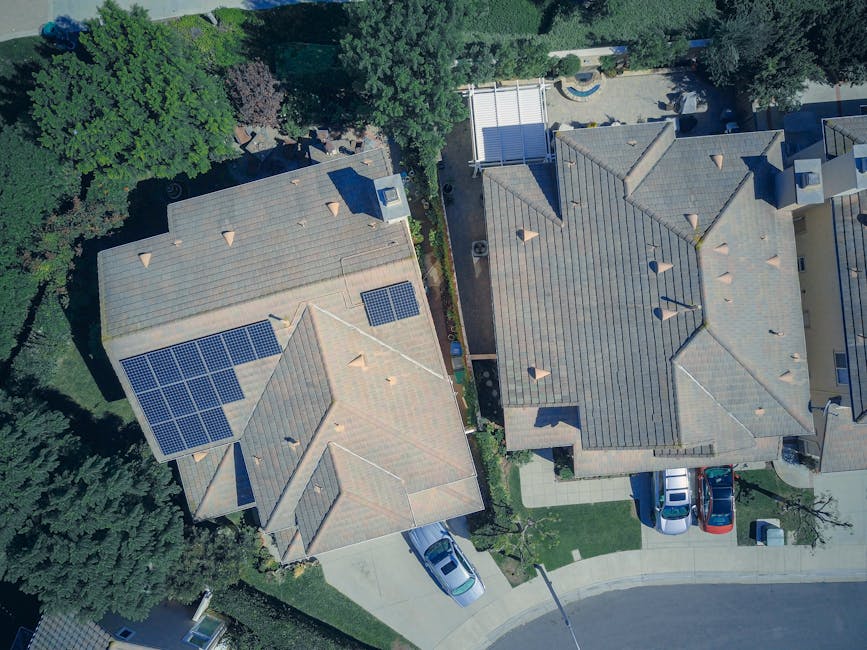
Labor and soft costs often surprise homeowners because they can make up more than half of the total invoice. This category includes the actual physical installation, the electrical work, and the administrative burden of securing permits from your local municipality. Soft costs also encompass the structural engineering reports required to prove your roof can handle the additional weight. Because every jurisdiction has different rules, the administrative portion of the solar installation cost can vary wildly between neighboring towns.
In practice, the complexity of your home electrical system is the biggest variable in labor costs. If your main service panel is outdated and cannot handle the additional load from a solar array, you may need a Main Panel Upgrade. This can add $2,000 to $4,000 to your project before a single panel is even mounted. Consequently, seasoned installers will often insist on a site survey to inspect your breaker box before providing a binding quote. Skipping this step often leads to expensive change orders halfway through the project.
Local permitting and inspection fees
Navigating the permit process is one of the most time consuming aspects of a professional installation. Your contractor must submit detailed CAD drawings to the city building department and coordinate with the local utility company for Interconnection. Interconnection is the formal agreement that allows you to send excess power back to the grid. In some regions, these fees are nominal, while in others, they represent a significant portion of the soft costs. A professional installer manages these hurdles, which is why their labor rates are higher than a general handyman.
Key takeaway: Labor and soft costs are highly localized and depend heavily on your existing electrical infrastructure and local building codes.
Storage and smart integration expenses
Adding a battery backup system is becoming the new standard for 2024 installations. While batteries are not strictly necessary for a grid tied system, they provide resilience during power outages and allow you to use your solar energy at night. However, adding storage significantly increases the solar installation cost. A typical lithium iron phosphate battery, like the Tesla Powerwall or the Enphase IQ Battery, can add $10,000 to $15,000 to the total price. This reflects both the cost of the battery cells and the specialized gateway hardware needed to manage the flow of energy.
From experience, many homeowners realize that the return on investment for batteries depends on your utility company’s billing structure. If your utility uses Time of Use rates, you can save money by discharging your battery during peak evening hours when electricity is most expensive. This practice is known as load shifting. If your utility offers 1:1 net metering, where they pay you the full retail rate for your excess solar power, a battery might be a luxury rather than a financial necessity. You should always check the sustainability programs offered by your local utility before deciding on storage.
Smart home energy management systems
Modern installations often include smart energy managers or smart circuit breakers like the Span panel. These devices allow you to monitor and control your energy consumption at the circuit level through a smartphone app. While these additions increase the initial quote, they provide granular data that can help you reduce your overall consumption. By seeing exactly how much power your air conditioner or water heater uses, you can make informed decisions that shorten the payback period of your solar investment.
Key takeaway: Battery storage and smart controllers can double the initial investment but offer greater autonomy and protection against rising utility rates.
Incentives and the path to ROI
The gross price of a solar system is rarely what the homeowner actually pays. The Federal Investment Tax Credit is the most significant factor in reducing the net solar installation cost. Energy.gov (2023) states that the Federal Investment Tax Credit allows homeowners to deduct 30 percent of their installation costs from their federal taxes. This credit applies to the panels, labor, and even the battery storage if it is installed at the same time. This incentive is currently locked in through 2032, providing a stable window for homeowners to make the transition.
Furthermore, many states offer additional rebates, performance based incentives, or sales tax exemptions. For example, some states allow you to sell Solar Renewable Energy Credits for every megawatt hour your system produces. These credits act as a form of passive income that offsets your monthly costs. When you combine these incentives with the monthly savings on your utility bill, most systems pay for themselves within seven to ten years. You can find more information about these types of savings in our home tech archive.
| System Size (kW) | Avg Gross Cost | Net Cost (After 30% Tax Credit) |
|---|---|---|
| 6 kW | $19,800 | $13,860 |
| 8 kW | $26,400 | $18,480 |
| 10 kW | $33,000 | $23,100 |
The 30 percent federal tax credit
The federal tax credit is a non-refundable credit, which means it can reduce the amount of tax you owe to zero, but it will not result in a refund check if the credit exceeds your liability. However, you can carry the remaining balance over to the next tax year. A common mistake here is assuming this is a point of sale discount. You must pay the full price to the installer and then claim the credit when you file your annual taxes. Therefore, you need to ensure you have the liquid capital or financing in place to cover the 30 percent gap in the interim.
Key takeaway: Federal and state incentives can reduce the total cost by 30 percent or more, significantly accelerating the return on your investment.
Maintenance and long term ownership
Once the installation is complete, the ongoing costs are remarkably low. Solar systems have no moving parts, which minimizes the mechanical failures common in other power generation methods. Most panels come with a 25 year performance warranty, guaranteeing they will still produce at least 85 percent of their rated power at the end of that period. What most guides miss is the cost of inverter replacement. While panels last decades, string inverters typically need replacement every 12 to 15 years, which can cost between $1,500 and $3,000.
Maintenance usually involves simple tasks like cleaning the panels twice a year to remove dust and bird droppings. In practice, rainfall handles most of the cleaning in many climates, but if you live in a drought prone area, professional cleaning might cost $150 per visit. You should also consider the cost of bird guards. These are mesh screens that prevent pigeons and squirrels from nesting under the panels and damaging the wiring. While it adds a few hundred dollars to the solar installation cost upfront, it prevents much more expensive electrical repairs later on.
Inverter replacement cycles
If you choose microinverters, the replacement cycle is often covered under a 25 year warranty that matches the panels. In contrast, if you use a central string inverter, you must budget for a mid life replacement. This is a critical factor in your long term financial planning. When the central inverter fails, the entire system stops producing power until it is fixed. Monitoring systems built into modern inverters will alert you to these failures immediately, ensuring you don’t lose weeks of production without knowing it.
Key takeaway: Solar is low maintenance, but you must budget for a mid life inverter replacement and occasional cleaning to maintain peak efficiency.
Conclusion
The total solar installation cost in 2024 is an investment that requires a clear understanding of hardware, labor, and incentives. While the sticker price for a standard 8 kW system might hover around $26,000, the actual out of pocket cost after the federal tax credit drops to roughly $18,480. This investment provides a hedge against rising utility rates and increases the value of your property. The key to a successful project lies in selecting high quality monocrystalline panels and an experienced installer who understands the local permitting landscape. Although battery storage and smart home integrations increase the initial price, they offer the resilience and control that define modern energy systems. Your single clear takeaway is that the federal 30 percent tax credit remains the most powerful tool for making solar financially viable, and locking in your installation now ensures you benefit from this incentive for years to come.
Cover image by: Kindel Media / Pexels